What this guide helps you decide
Plan laundry, belongings, access, heat-sensitive items, and follow-up around the actual bed bug treatment method.
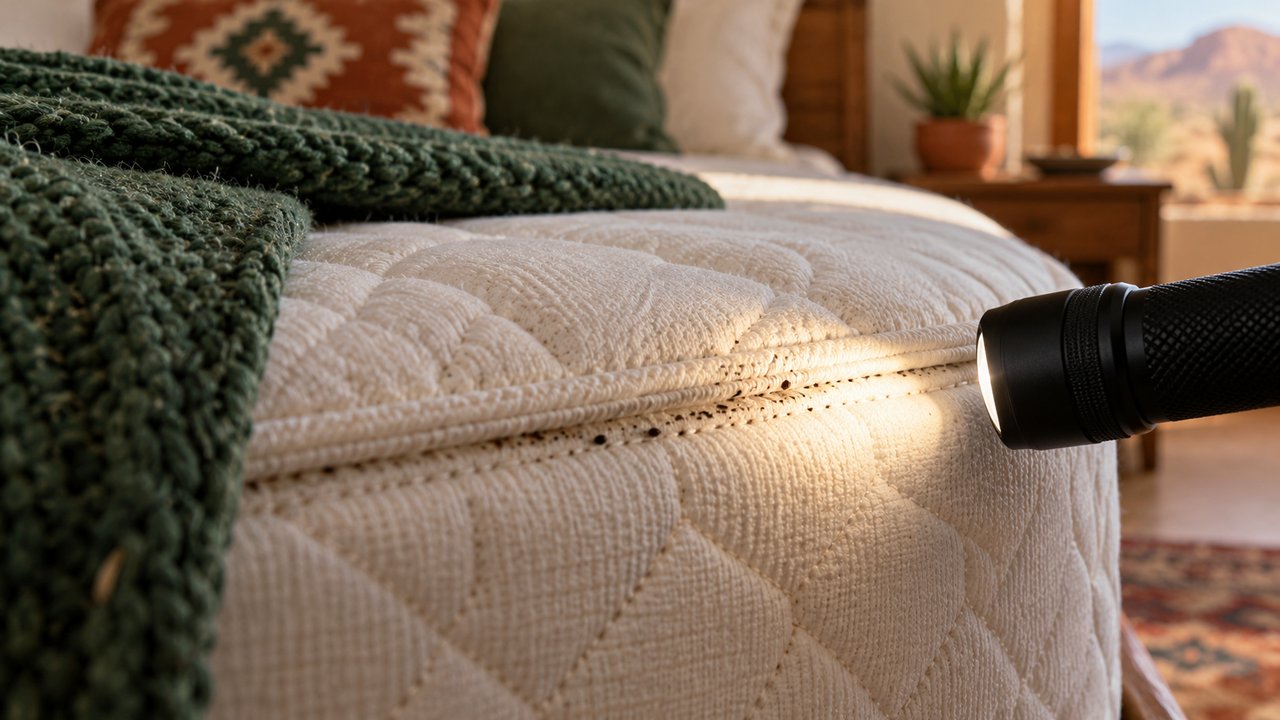
Use the guidance to record useful evidence and prepare questions.
The actual pest, property, product, and treatment method determine what applies to your situation.
Get the method-specific instructions first
Ask for written preparation directions before moving belongings.
A heat plan and a targeted application may require different handling of furniture and sensitive items.
Tell the provider about pets, plants, aquariums, medications, electronics, and items that may be damaged by temperature or treatment.
Do not combine several online checklists blindly.
Conflicting advice can lead to unnecessary disposal, poor access, or movement that spreads activity.
Organize laundry without spreading items
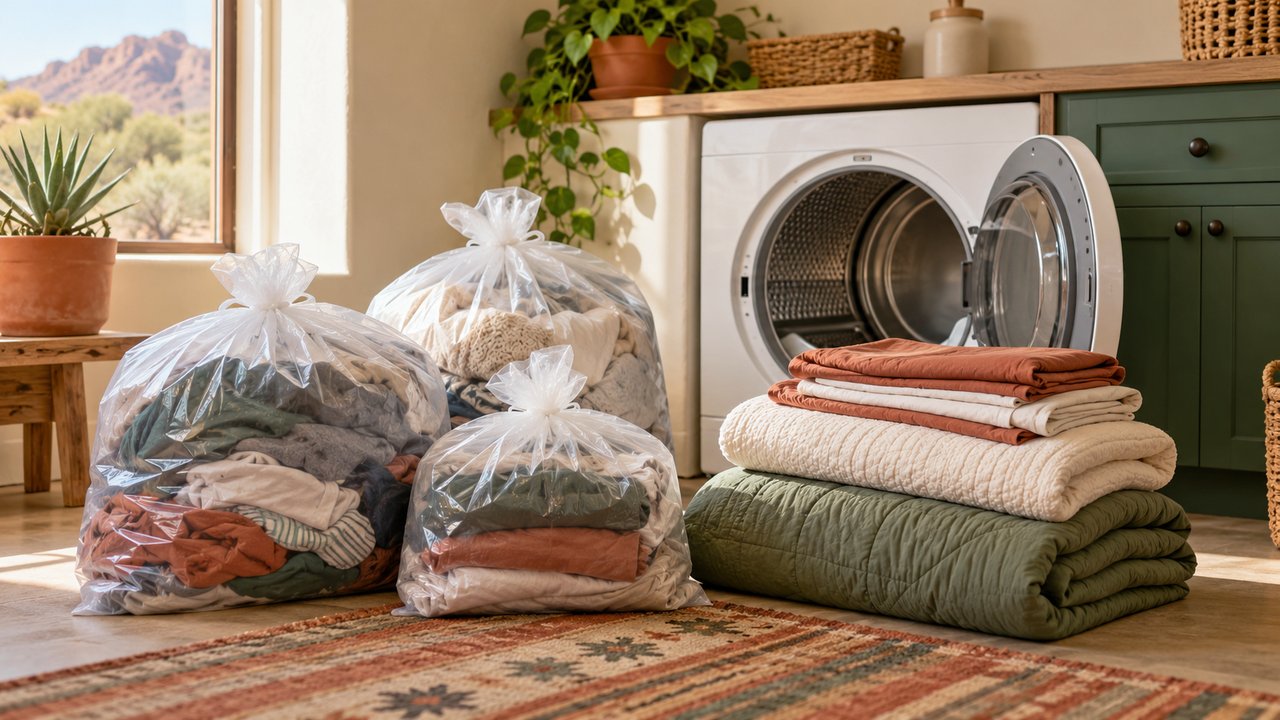
Keep suspected textiles contained during transport and separate them from prepared items.
Handle bags and storage according to the treatment instructions.
EPA describes 30 minutes of high-temperature drying for suitable bedding and clothing as one bed bug management measure.
Check fabric care, appliance suitability, and the provider's directions.
This does not mean every item can be safely placed in a hot dryer.
Delicate materials and non-textile belongings need a different plan.
Discuss heat-sensitive belongings
Professional heat treatment uses controlled equipment and monitoring.
It is not a safe invitation to heat a room with household devices.
The provider should identify items to remove, protect, or treat separately.
Aerosols, medicines, electronics, and other materials may have particular limits.
Removing an item without a containment plan can move activity elsewhere.
Ask how exceptions will be handled rather than carry them into an unaffected room.
Provide access without discarding automatically
Treatment may need access to furniture, seams, floor edges, and other identified areas.
Clear the spaces requested without moving everything indiscriminately.
A mattress or couch is not automatically beyond treatment.
If disposal is advised, ask how to contain, transport, and prevent reuse of the affected item.
Do not dismantle electrical fixtures or move heavy furnishings unsafely.
Explain any access difficulties before the appointment.
Coordinate shared-property responsibilities
In apartments, hotels, or other shared buildings, management may need to arrange relevant inspections and resident communication.
Treating one room is not always the full scope.
Clarify who authorizes work, provides access, and communicates instructions.
Occupants need consistent guidance about belongings and re-entry.
Preparation should respect the actual treatment plan and property responsibilities.
Generic website advice cannot resolve every tenancy or management question.
Plan the period after treatment
Follow the actual re-entry and cleaning directions.
Product instructions, methods, and treated surfaces determine what applies.
Ask what evidence to report and how monitoring will be reviewed.
New sightings should be recorded with dates and locations.
Do not add sprays or foggers between visits without discussion.
Aftercare works best when it supports the original plan instead of introducing conflicting methods.
Plan exceptions before the treatment day
Imagine a household has heat-sensitive medication, an aquarium, and heavy furniture that cannot be moved by the occupant.
These should be discussed when the method is selected, not discovered during preparation.
Ask what remains, what is protected, and what is removed with suitable containment.
Explain any mobility or access limitation so the checklist can be made workable.
Do not assume an item removed for protection is free of suspected activity.
Its handling needs to fit the overall treatment plan.
Separate prepared items from unresolved belongings
Use the provider's instructions to organize belongings rather than create an untracked pile in another room.
Keep the distinction between treated, prepared, and still-suspect items understandable.
Ask when normal cleaning and storage can resume and what monitoring remains in place.
Those answers should reflect the actual method, not a generic promise of immediate return to every routine.
Preparation is a coordinated part of treatment.
It should help the method reach relevant spaces, protect items appropriately, and prevent movement that creates another area needing inspection.
Your practical checklist
- Obtain the method-specific checklist
- Identify sensitive belongings and pets
- Contain laundry and separate prepared items
- Confirm furniture access
- Coordinate manager and occupant responsibilities
- Follow re-entry and cleaning directions
- Keep a follow-up evidence record
Prepare an informed service enquiry
A useful enquiry explains the original activity, the property type, and how often it has appeared.
Include any recent maintenance, deliveries, travel, or product use that relates to the concern.
Have the address and access arrangements ready.
For rental or shared properties, identify the person who can authorize the work and coordinate relevant spaces.
Ask what the inspection can establish, which areas are accessible, and what limitations apply.
Confirm the treatment scope, preparation, follow-up, and separately quoted work before making a decision.
Common questions
Does every item need washing?
No universal laundry rule applies.
Follow the instructions for the item and treatment method.
Can I use a space heater to kill bed bugs?
Do not attempt improvised room heating.
Professional heat treatment requires controlled planning and monitoring.
When can I return after treatment?
The specific method and product directions determine re-entry.
Ask before the appointment.
Sources and further reading
Public sources checked October 9, 2026.
Sources from other regions support general pest guidance; they do not establish Albuquerque infestation rates.