What this guide helps you decide
Recognize useful bed bug evidence, understand lookalikes, and avoid spreading suspected activity while arranging inspection.
Use the guidance to record useful evidence and prepare questions.
The actual pest, property, product, and treatment method determine what applies to your situation.
Use physical evidence
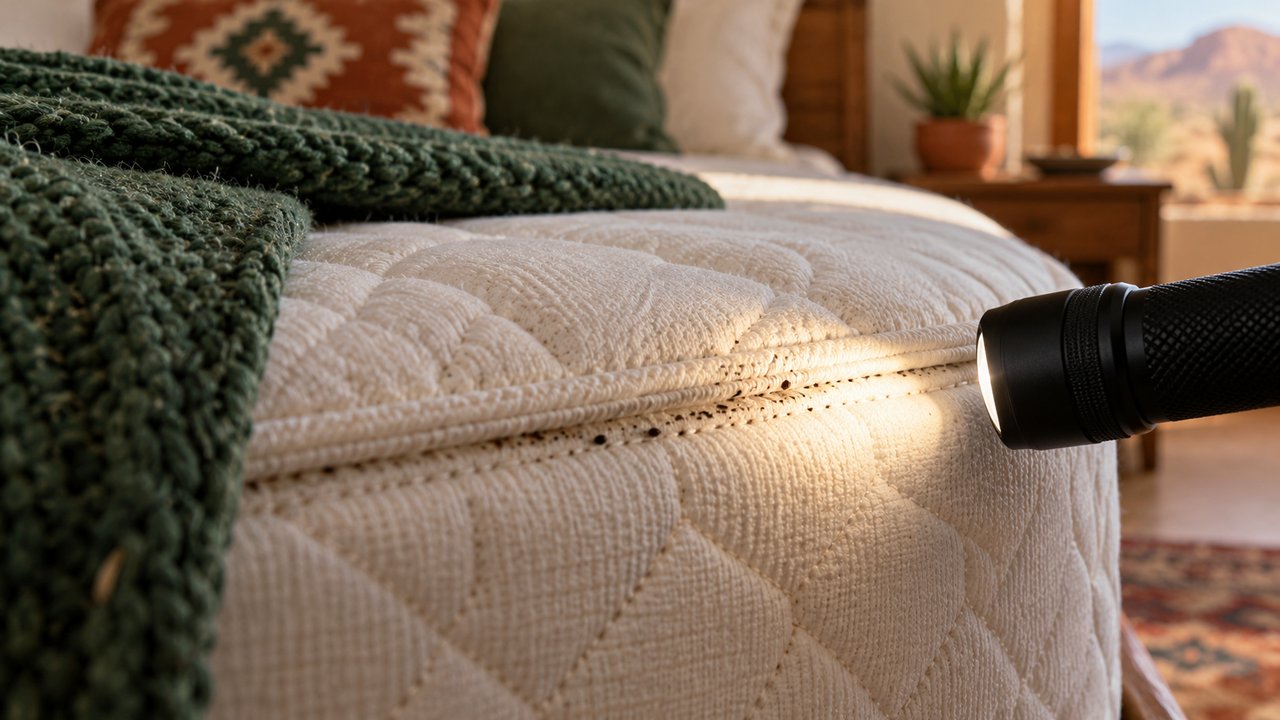
EPA recommends looking for signs such as live insects, shed skins, eggs, and characteristic spotting.
Their location and combination help an inspection.
Bites alone are unreliable because responses vary and other causes can look similar.
A pest website cannot diagnose a skin condition.
Take clear photos of what you find and the surrounding area.
A close-up without context may not explain where inspection should begin.
Inspect accessible sleeping-area details
Mattress seams, bed-frame joints, and nearby protected spaces can be relevant.
Work only in areas you can inspect safely without dismantling fixtures.
The visible evidence may not be limited to the mattress.
Upholstered furniture and nearby cracks can also need consideration.
Do not move furniture or belongings into an unaffected space simply to get a clearer view.
Containment and inspection should be planned together.
Lookalikes can change the answer
Small beetles, other insects, debris, and unrelated stains may be confused with bed bugs or their evidence.
Identification is important before treatment.
A picture may help, but image quality and the condition of the specimen can limit certainty.
An on-site assessment may still be necessary.
Do not buy several products because one online picture seems similar.
The wrong response may create exposure while leaving the actual problem unresolved.
Travel and used items are context, not proof
Recent travel, visitors, secondhand furniture, and nearby-unit reports can be useful information.
None proves the source of an infestation by itself.
Avoid blaming occupants or assuming cleanliness caused the problem.
The useful questions concern evidence, affected areas, and how to organize treatment.
For rental or shared buildings, notify the responsible manager and arrange relevant access.
The scope may need coordination beyond one room.
Avoid actions that complicate inspection
Do not use foggers, improvised heat, or unlabelled products.
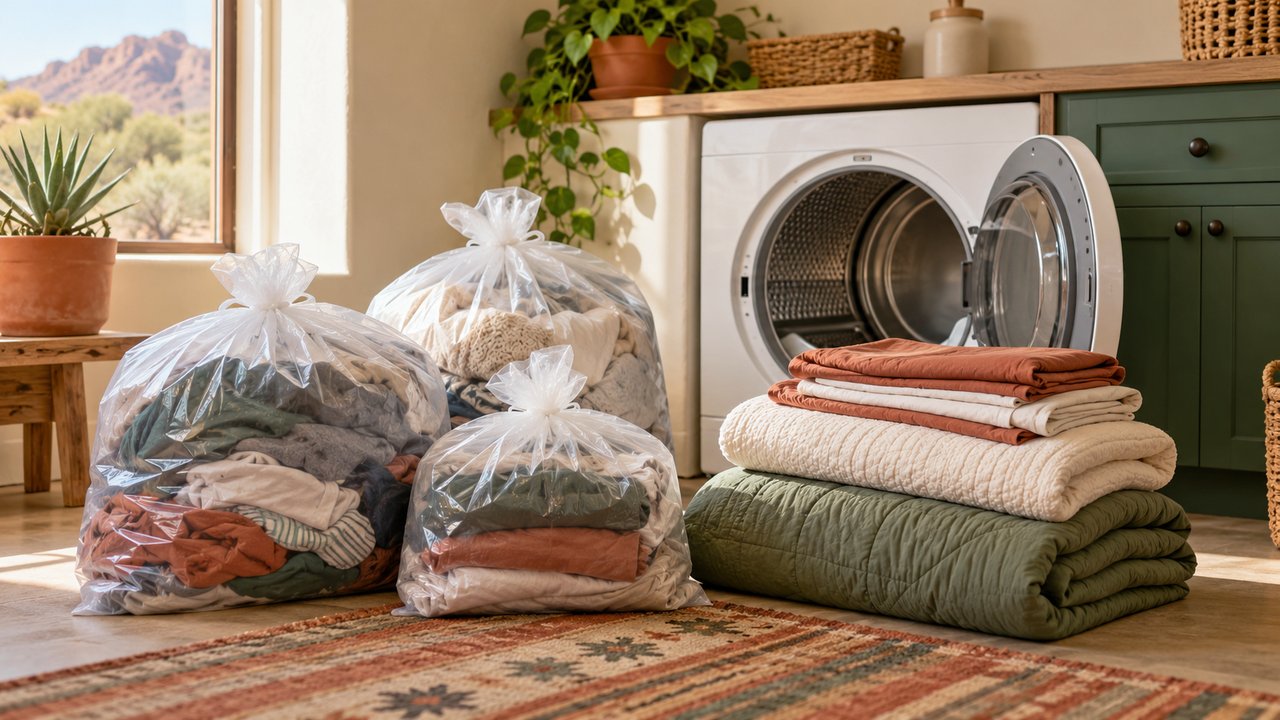
Do not automatically discard a mattress or move every item through the home.
Keep suspected items contained according to professional instructions.
A method chosen before identification can leave both the evidence and the property harder to manage.
If you have already used a product, record the name, location, and date.
Give this information to the person assessing the room.
Ask how confirmation and follow-up work
A useful assessment explains what evidence was found, which spaces need attention, and what treatment options are appropriate.
Preparation should match the method.
Follow-up should use physical evidence and monitoring rather than skin responses alone.
Call when you have persistent evidence or uncertainty that needs inspection.
Early discussion can help organize a focused response without promising a single-visit cure.
A suspicious morning does not establish the pest
Imagine you wake with a skin mark and find a dark speck on bedding.
There may be a pest issue, or there may be another explanation.
The useful action is to document physical evidence and obtain appropriate assessment.
If you find an insect, photograph it and the location.
Do not move bedding through the home or apply several products because one online image seems similar.
Where skin symptoms are concerning, speak to a healthcare professional.
Property inspection and medical evaluation answer different questions.
Prepare for confirmation rather than panic disposal
List the rooms, furnishings, and evidence involved.
Mention recent travel or used items as context without claiming that they prove the source.
Ask how inspection will confirm the concern and what preparation is needed only if treatment is selected.
Expensive furniture should not be discarded automatically before options are discussed.
For shared properties, establish who communicates with occupants and arranges access.
A consistent plan reduces the chance of belongings being moved into unaffected spaces or different rooms receiving conflicting instructions.
Your practical checklist
- Photograph physical evidence and its location
- Do not identify the pest from bites alone
- Avoid moving belongings to another room
- List travel or used-item context without assuming a source
- Record products already used
- Arrange owner or manager access if needed
Prepare an informed service enquiry
A useful enquiry explains the original activity, the property type, and how often it has appeared.
Include any recent maintenance, deliveries, travel, or product use that relates to the concern.
Have the address and access arrangements ready.
For rental or shared properties, identify the person who can authorize the work and coordinate relevant spaces.
Ask what the inspection can establish, which areas are accessible, and what limitations apply.
Confirm the treatment scope, preparation, follow-up, and separately quoted work before making a decision.
Common questions
Are bites enough to confirm bed bugs?
No.
Physical evidence and appropriate inspection are needed.
Can a clean home have bed bugs?
Cleanliness is not a reliable way to exclude the possibility.
Focus on evidence and assessment.
Should I sleep in another room?
Ask for case-specific advice before moving belongings or changing arrangements in ways that could spread activity.
Sources and further reading
Public sources checked October 9, 2026.
Sources from other regions support general pest guidance; they do not establish Albuquerque infestation rates.