What this guide helps you decide
Read CDC cleanup precautions, avoid dry sweeping, and know when to seek professional help.
Use the guidance to record useful evidence and prepare questions.
The actual pest, property, product, and treatment method determine what applies to your situation.
Do not start with a broom or vacuum
CDC advises against sweeping or vacuuming rodent urine and droppings before disinfection.
Dry disturbance can put contaminated material into the air.
This applies even when the area looks easy to tidy.
A powerful vacuum is not a substitute for the recommended precautions.
Stop if cleanup involves heavy contamination, enclosed or inaccessible spaces, damaged insulation, or other hazards.
Arrange appropriate professional help rather than improvise.
Follow current wet-cleaning guidance
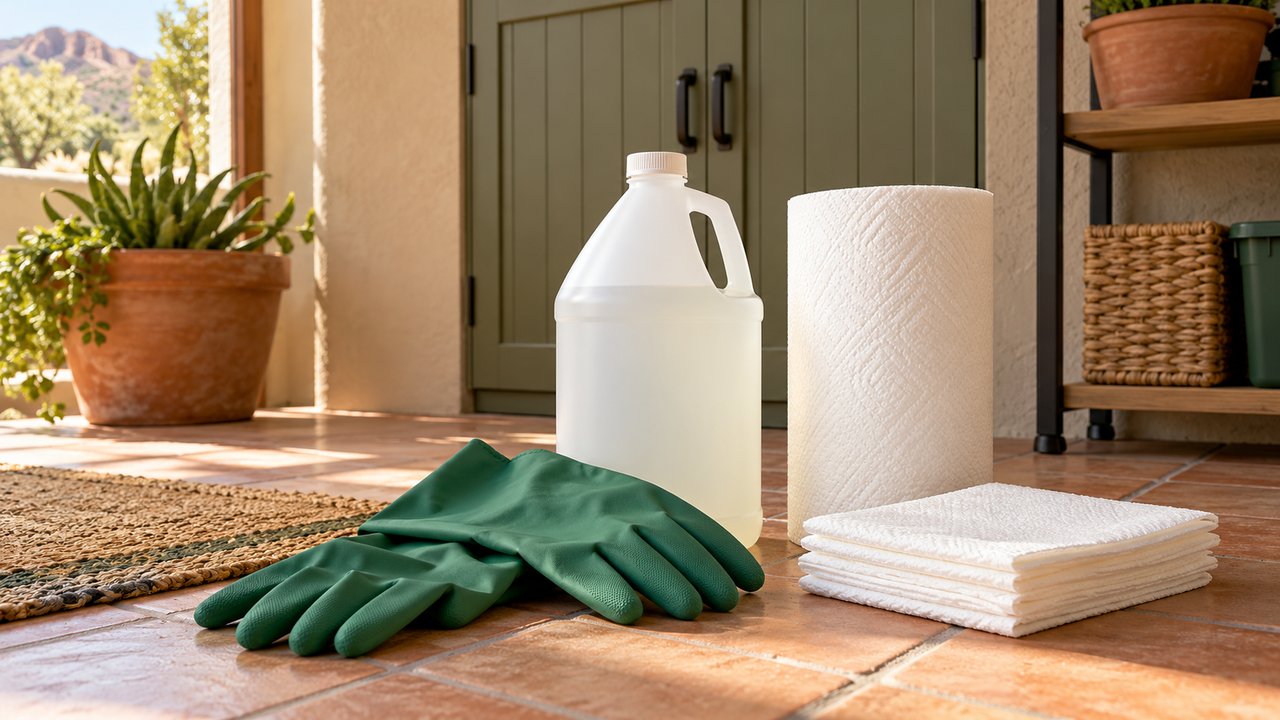
CDC describes wearing rubber or plastic gloves and thoroughly wetting waste with disinfectant.
Its guidance uses a five-minute soak or the product label's instructions before wiping.
Use the original product instructions and do not mix chemicals.
The required contact time and permitted surfaces matter.
These points are a short orientation, not the complete protocol.
Read the linked CDC instructions for the actual setting before considering any cleanup.
The room or material changes the job
A small hard-surface area, contaminated insulation, stored belongings, a shed, and a vehicle are different situations.
One checklist should not be applied to all of them.
Ventilation, disposal, material handling, and access can require different steps.
Vehicles also involve mechanical and electrical hazards beyond pest cleanup.
Do not open equipment, disconnect components, or remove building material without appropriate expertise.
Explain the setting when requesting help.
Keep people and animals away
Restrict access to suspected contamination while arrangements are made.
Pets and children should not be able to investigate waste, traps, or cleanup products.
Store chemicals in their original containers and follow permitted use directions.
Never transfer them into beverage or food containers.
If exposure or concerning symptoms occur, contact an appropriate medical or veterinary professional.
The appearance of droppings cannot establish whether illness will occur.
Separate cleanup from control
Cleaning removes contamination but does not establish that rodents are gone.
Activity, control devices, food sources, and entry routes may still need assessment.
Conversely, a rodent-control visit does not automatically include insulation removal, disinfection, waste disposal, or repairs.
Clarify each responsibility in the scope.
Coordinate cleanup timing with the control plan so fresh activity can be recognized.
Keep photographs and dates without disturbing the material.
Prevent another contamination problem
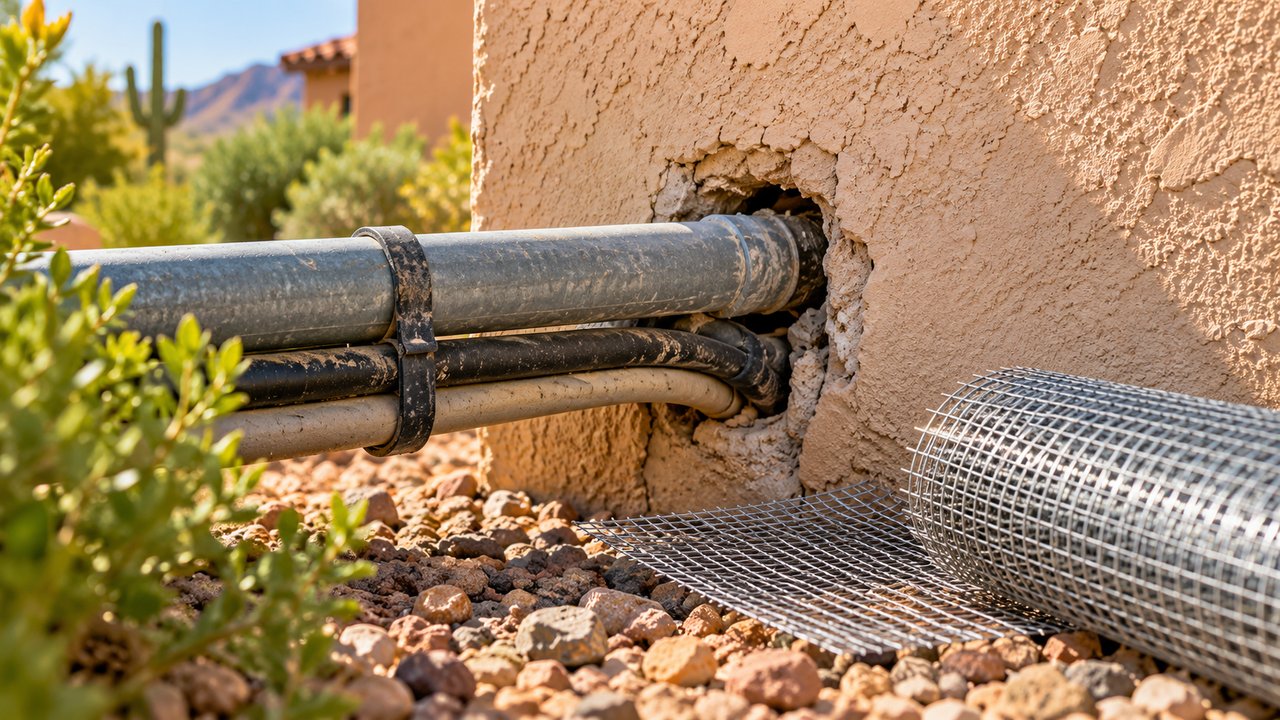
Entry-point repair, food storage, waste handling, and shelter reduction support prevention.
Monitoring should focus on new evidence after the area has been addressed.
If new droppings appear, report their location rather than repeat cleanup indefinitely.
An unresolved access route or occupied space may need inspection.
Ask for a written explanation of cleanup limits, disposal responsibilities, and separately quoted work.
This is particularly useful for garages, rentals, and commercial premises.
Decide whether the setting is suitable for household cleanup
Imagine a small amount of suspected waste lies on an accessible hard surface.
Now compare it with a heavily contaminated roof space containing insulation and poor access.
Those are different jobs.
The second situation can require specialist precautions, material handling, and work at height; a short household article should not be treated as sufficient instruction.
Describe the amount, material, and access when requesting help.
Do not disturb the area to make the evidence more visible.
Make the service boundaries explicit
Ask whether the provider is arranging pest control, contamination cleanup, waste disposal, insulation work, repairs, or only part of those tasks.
Each has a different purpose.
Confirm who is responsible for the sequence and what happens if fresh evidence appears after cleaning.
Keep people and pets away from unresolved contamination and control devices.
The safest useful outcome is a plan suited to the setting.
Follow the complete current guidance and product instructions, and use appropriate professional help where the job exceeds ordinary accessible cleaning.
Your practical checklist
- Avoid dry sweeping and vacuuming waste
- Assess the space and contamination extent
- Read the complete current CDC protocol
- Follow disinfectant label directions
- Keep people and pets away
- Clarify control, cleanup, disposal, and repair scope
- Monitor for fresh evidence
Prepare an informed service enquiry
A useful enquiry explains the original activity, the property type, and how often it has appeared.
Include any recent maintenance, deliveries, travel, or product use that relates to the concern.
Have the address and access arrangements ready.
For rental or shared properties, identify the person who can authorize the work and coordinate relevant spaces.
Ask what the inspection can establish, which areas are accessible, and what limitations apply.
Confirm the treatment scope, preparation, follow-up, and separately quoted work before making a decision.
Common questions
Can I use my normal vacuum?
CDC advises against vacuuming waste before disinfection.
Read the full guidance and seek help for unsuitable situations.
Is five minutes always the correct contact time?
CDC specifies five minutes or the disinfectant label's instructions.
Follow the actual product requirements.
Does pest treatment include cleanup?
Not automatically.
Waste handling, insulation, disposal, and disinfection may be separate services.
Sources and further reading
Public sources checked October 9, 2026.
Sources from other regions support general pest guidance; they do not establish Albuquerque infestation rates.