What this guide helps you decide
Understand pack rat clues, possible property damage, safe next steps and the difference between pest control, cleanup and repairs in Albuquerque.
Use the guidance to record useful evidence and prepare questions.
The actual pest, property, product, and treatment method determine what applies to your situation.
What the name pack rat tells you
Pack rats are also called woodrats.
University of Arizona guidance describes their habit of gathering objects and plant material around their nests.
That behavior can make an unusual pile of sticks, cactus pieces or miscellaneous debris a useful clue.
A pile alone is not a complete identification.
Other animals, wind, storage and maintenance can leave debris around a building.
Record the original location and any nearby signs without reaching into the material.
For an Albuquerque property, keep the species question separate from the damage question.
You may need pest identification and an assessment of an affected component even before the source is fully confirmed.
General Southwest guidance does not establish which animal is at your particular address.
Look at the setting, not only the damaged item
Start with the place where the concern appeared.
Was it inside an occupied room, in a detached shed, beside stored equipment or near an engine compartment?
Explain whether the space is used daily or has been left undisturbed.
Visible gnawing, droppings or gathered material can help direct an assessment.
They do not reveal all occupied spaces or how long activity has continued.
A photograph should show the surrounding setting as well as the close detail, where taking it is safe.
Keep a note of recent changes such as moving stored goods or reopening a building.
That history can be more useful than an estimated animal count.
Avoid disturbing suspicious waste to see whether the same material returns.
Treat vehicle concerns as a separate safety question
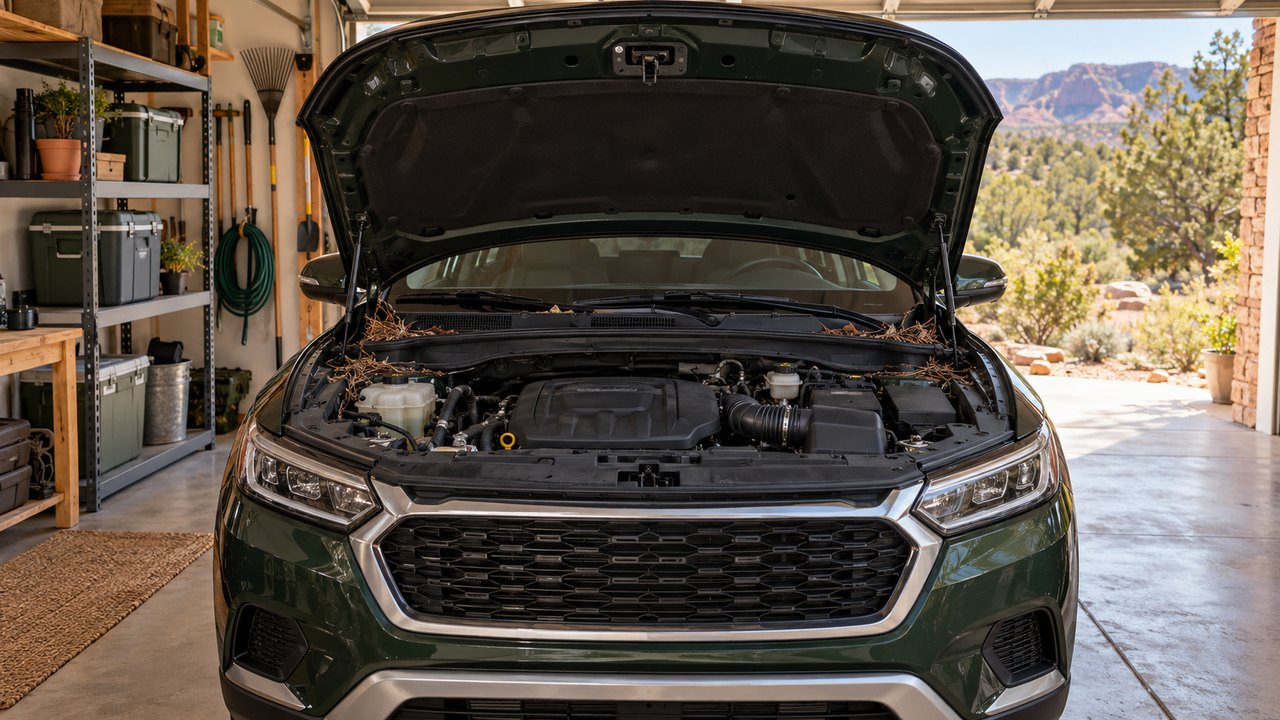
CDC notes that rodents may nest in vehicles, particularly those used infrequently, and recommends involving a qualified mechanic or automotive professional.
An engine bay concern should not be treated as an ordinary household cleanup task.
If you can already see nesting material or damaged components, describe the evidence and ask an automotive professional about safe inspection before using the vehicle.
Do not pull wiring, dismantle ventilation components or spray pesticides into the engine bay based on a general website article.
Pest control does not establish whether a vehicle is roadworthy.
Mechanical repair, contamination assessment and rodent management may need coordination between different people.
Confirm who handles each part before accepting a quote that simply says removal.
Keep control, exclusion and repairs in the right order
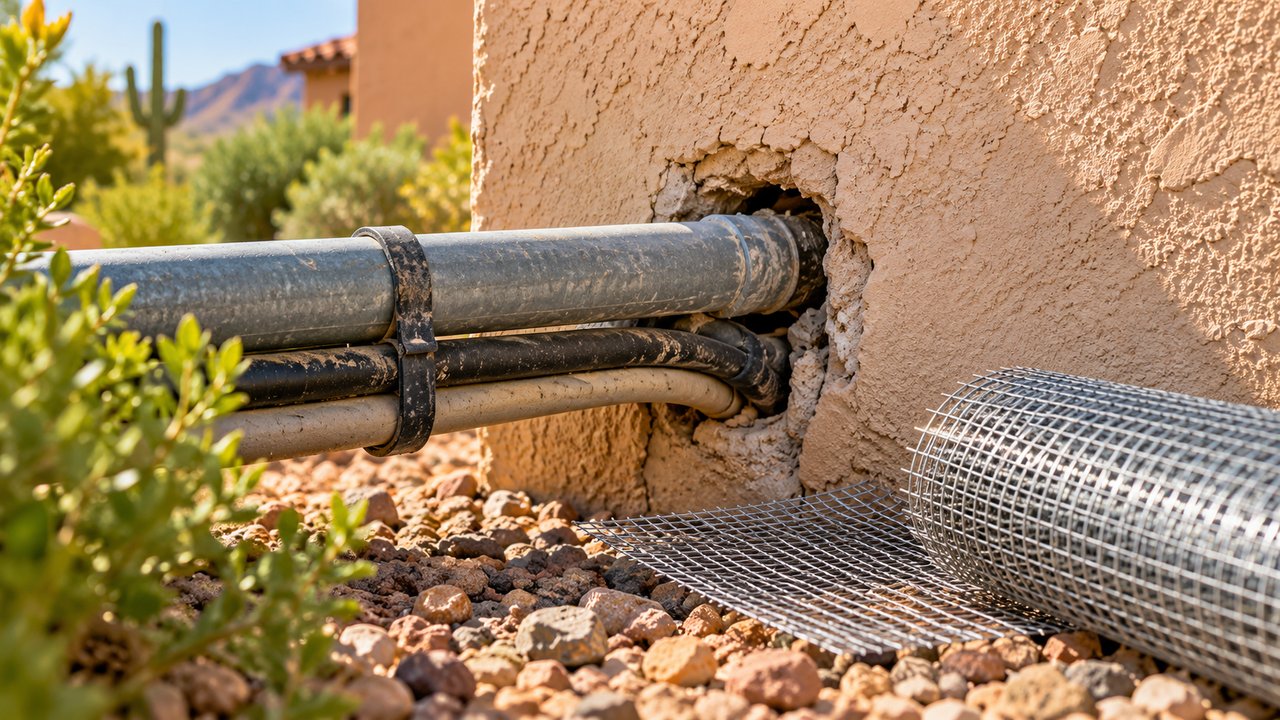
A damaged building edge may need repair, but a visible opening is not proof that it is the only occupied route.
Ask how identification, accessible evidence and animal occupancy affect the control and exclusion sequence.
Suitable exclusion work should consider construction, ventilation and durable materials.
Closing a suspected route without assessing the situation can leave an unresolved problem elsewhere.
Explain any recent repairs and the places that cannot currently be reached.
The service agreement should make the sequence understandable.
Ask which inspections, control measures, access changes and monitoring are included.
Insulation replacement, wiring repair and structural work are separate questions unless specifically included.
You should know who will assess damage rather than assume treatment repairs it.
Do not rush the cleanup
Rodent waste and nesting material need appropriate precautions.
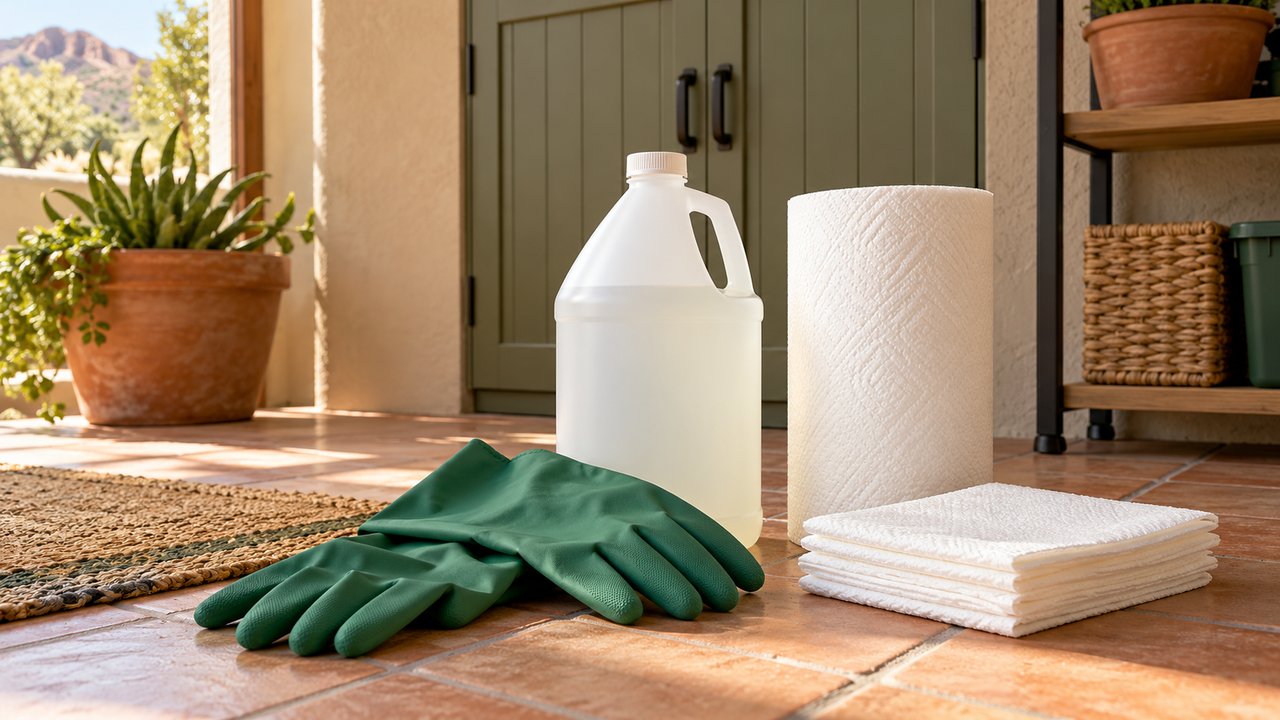
CDC advises against dry sweeping or vacuuming rodent urine, droppings and nesting material because disturbance can put contaminated particles into the air.
Follow its current guidance for the specific setting.
A small accessible area and a heavily contaminated roof void do not present the same cleanup task.
Describe the extent, access and materials involved before arranging help.
Contamination in ducts, insulation or vehicles may require specialist advice and a separate scope.
Keep children and animals away from suspicious material while advice is obtained.
This article does not diagnose illness or provide an individualized cleanup plan.
If health concerns follow a possible exposure, discuss them with a healthcare professional and explain the exposure.
Make prevention specific to the property
Ask which food, shelter and access conditions are relevant to the identified activity.
Stored pet food, cluttered equipment areas and damaged building edges may be questions to investigate rather than automatic explanations.
Ordinary maintenance can support a plan, but do not remove plants or change the building solely because a general article suggests it.
A property assessment should connect the recommendation to the evidence and explain which work is yours to arrange.
Discuss deterrents with realistic expectations.
A device, scent or anecdotal trick should not replace inspection of active damage or a safe cleanup decision.
Keep the focus on appropriate control, confirmed access routes, maintenance and follow-up rather than buying several products without a clear purpose.
Prepare a useful call and follow-up record
Have the physical service address and ZIP ready.
Explain the original evidence, the affected structure or vehicle, access limitations and any previous control or repair.
State clearly if more than one building needs assessment.
Ask how the visit can establish identification, what remains concealed, and whether cleanup or exclusion is separately quoted.
For vehicle damage, say who is handling the mechanical assessment so the two scopes can be coordinated.
After work, report new signs with dates and locations.
A changing pattern is more useful than a broad statement that rodents are back.
Ask what evidence should trigger another conversation and which maintenance remains outstanding.
The aim is to make the next decision understandable, even when the first inspection has limits.
Your practical checklist
- Record the original setting and visible evidence
- Keep people and animals away from suspicious waste
- Ask a mechanic about vehicle or component concerns
- Discuss identification before assuming pack rats
- Confirm control, exclusion, cleanup and repair responsibilities
- Check which structures are included
- Record new activity after work
Prepare an informed service enquiry
A useful enquiry explains the original activity, the property type, and how often it has appeared.
Include any recent maintenance, deliveries, travel, or product use that relates to the concern.
Have the address and access arrangements ready.
For rental or shared properties, identify the person who can authorize the work and coordinate relevant spaces.
Ask what the inspection can establish, which areas are accessible, and what limitations apply.
Confirm the treatment scope, preparation, follow-up, and separately quoted work before making a decision.
Common questions
Does a pile of twigs prove pack rats are present?
No.
Gathered material is a clue to assess alongside other evidence and identification.
Does rodent treatment repair vehicle wiring?
No.
A qualified automotive professional must assess components and repair needs.
Pest work has a separate purpose.
Should I vacuum the debris before a visit?
Avoid vacuuming suspected rodent waste or nesting material.
Follow current CDC cleanup guidance and discuss extensive contamination with a suitable professional.
Can an outdoor sighting explain damage inside the house?
It may be relevant information, but it does not prove the same animal or route caused the indoor damage.
Sources and further reading
Public sources checked October 11, 2026.
Sources from other regions support general pest guidance; they do not establish Albuquerque infestation rates.